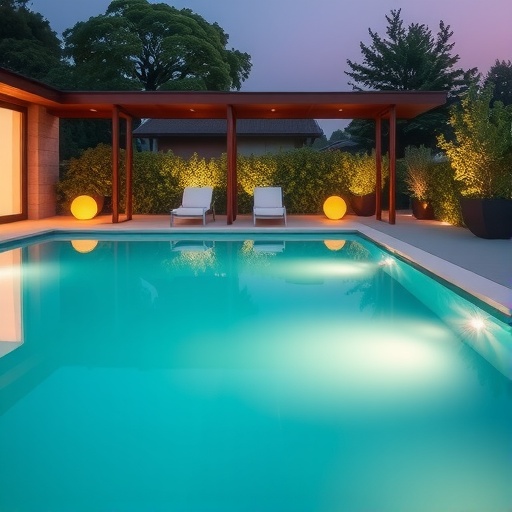
In recent years, Japan has witnessed the emergence of a unique cultural phenomenon: the pool cafe. These establishments combine the refreshment and social atmosphere of a traditional cafe with the aesthetic and recreational appeal of a swimming pool. The result is a hybrid space that challenges conventional categories and offers visitors an experience that is at once familiar and entirely novel.
Pool cafes are not merely cafes that happen to have pools nearby. They are carefully designed environments where water, light, food, and social interaction are integrated into a cohesive whole. The pool is not an afterthought but the central organizing principle around which the entire space is conceived. This requires a level of architectural and conceptual sophistication that speaks to Japan's broader commitment to thoughtful design.
The Origins and Evolution
The concept of the pool cafe can be traced to Japan's long-standing tradition of combining bathing with social and cultural activities. Public bathhouses, or sento, have historically served as community gathering places where people not only cleanse their bodies but also converse, relax, and strengthen social bonds. Pool cafes extend this tradition into a contemporary context, replacing the hot baths of the sento with cooler, more visually oriented pool environments.
The first pool cafes began appearing in Japan's major cities during the early 2020s, initially as experimental pop-up ventures. Their popularity quickly grew, driven by social media interest and a cultural appetite for novel experiences that blend leisure with visual appeal. Today, pool cafes can be found in urban neighborhoods, resort towns, and even some rural areas, each offering its own interpretation of the concept.
Design Principles and Aesthetics
- Open layouts that create visual connections between pool and cafe areas
- Natural light maximization through skylights and glass walls
- Indoor greenery that softens architectural edges
- Minimalist furniture that complements rather than competes with the water
- Carefully curated color palettes inspired by nature
- Acoustic design that balances lively atmosphere with tranquility
The interior design of a pool cafe is a study in balance. On one hand, the space must feel inviting and comfortable, encouraging guests to linger over coffee or a light meal. On the other hand, it must accommodate the practical realities of having water nearby—moisture control, non-slip surfaces, and appropriate drainage. The most successful pool cafes resolve this tension seamlessly, creating environments where the presence of water feels natural and enhancing rather than problematic.
The Menu: Refreshment Meets Design
The food and beverage offerings at pool cafes are as thoughtfully considered as the architecture. Menus tend to emphasize freshness, seasonality, and visual presentation. Smoothie bowls adorned with tropical fruits, delicate pastries that resemble small works of art, and specialty coffee drinks served in handcrafted ceramics are typical offerings.
There is a particular emphasis on hydration and lightness. Fresh juices, infused waters, and herbal teas are popular choices, aligning with the health-conscious values of the typical pool cafe clientele. Alcoholic beverages, when available, lean toward light options like sparkling wine, craft beers, and cocktails made with fresh ingredients and minimal sweetness.
Social Dynamics and Atmosphere
Pool cafes attract a diverse clientele. Young professionals come to work remotely on laptops, taking breaks to dip their feet in the water. Couples enjoy quiet afternoons reading by the poolside. Groups of friends gather for celebrations or simply to enjoy each other's company in a setting that feels special. Families with children appreciate the dual appeal of a cafe where parents can relax while kids swim safely.
The atmosphere in these spaces is typically relaxed yet refined. Background music is curated to enhance rather than dominate the environment—often featuring ambient soundscapes, downtempo electronic music, or acoustic arrangements. Conversations happen at moderate volumes, respectful of the shared space. There is an unspoken understanding among patrons that the pool cafe is a place for enjoyment but also for consideration of others.
Seasonal Adaptations
Many pool cafes in Japan are designed to operate year-round, adapting to seasonal changes through clever design and operational adjustments. In summer, large doors or retractable walls open to blur the boundary between interior and exterior. Shade sails and misting systems keep temperatures comfortable. The menu shifts to include more cold beverages and lighter fare.
In winter, the pool may be heated, and the surrounding area enclosed with glass to create a greenhouse-like environment. The presence of warm water contrasts pleasantly with the cold outside, creating a sense of sanctuary. Hot drinks, warming soups, and heartier food options appear on the menu. Some pool cafes even incorporate heated benches or kotatsu-style seating where guests can warm their feet while enjoying the view of the water.
Photography and Social Media Culture
It would be impossible to discuss pool cafes without acknowledging their relationship with photography and social media. These spaces are inherently photogenic, designed with visual appeal in mind. The play of light on water, the carefully composed interior design, and the aesthetically plated food all invite documentation and sharing.
However, the best pool cafes manage to transcend mere Instagram-worthiness. While they are undeniably beautiful and photographable, they also offer genuine experiences that reward being present. The designers understand that social media can be a tool for discovery and community-building rather than an end in itself. Visitors are encouraged to take photos, but the spaces are designed to be enjoyed in person, not just through a screen.
Community and Belonging
Over time, many pool cafes have become neighborhood institutions, places where regular visitors develop routines and relationships. The staff learn names and preferences. Strangers become acquaintances through repeated encounters. The pool cafe functions as a modern version of the traditional public square—a place where individuals can be part of a community without sacrificing their autonomy.
Some pool cafes host events such as live music performances, art exhibitions, or wellness workshops. These activities reinforce the social function of the space and provide additional reasons for people to visit. They also help to diversify the clientele and prevent the pool cafe from becoming too homogeneous or exclusive.
Sustainability and Ethics
As pool cafes have proliferated, questions of sustainability have become increasingly important. Responsible operators implement water recycling systems, use eco-friendly cleaning products, and source their food from local, sustainable producers. Solar panels and energy-efficient systems reduce the environmental footprint of running a temperature-controlled pool year-round.
There is also attention paid to social sustainability. Pool cafes strive to be accessible and welcoming to diverse populations. Pricing is kept reasonable where possible, and some offer discounted rates during off-peak hours. The goal is to create spaces that enhance urban life without contributing to gentrification or social exclusion.
In conclusion, pool cafes represent a distinctive contribution to contemporary Japanese culture and design. They demonstrate how traditional values of social cohesion and aesthetic refinement can be adapted to modern contexts. As these spaces continue to evolve, they offer valuable lessons about the potential for architecture and hospitality to create environments that nourish both body and spirit.