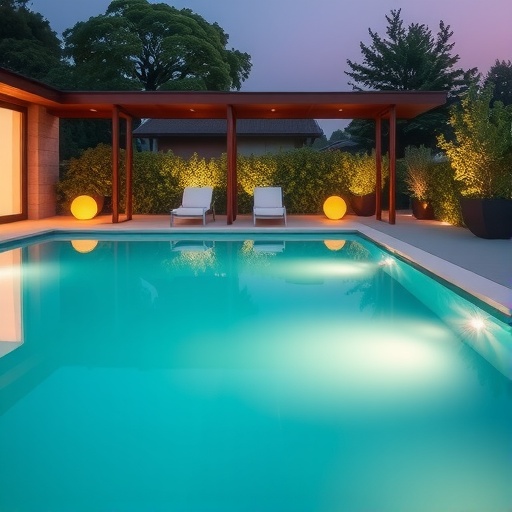
In the heart of Tokyo, a city known for its density and perpetual motion, rooftop pools offer a rare sanctuary. These elevated oases provide not only physical respite from the urban heat but also a psychological escape from the relentless pace of metropolitan life. They are spaces where architecture, water, and sky come together to create environments of profound tranquility.
The concept of the rooftop pool in Japan is deeply intertwined with the cultural appreciation for elevated perspectives and the contemplation of nature. Just as traditional Japanese gardens were designed to be viewed from specific vantage points, rooftop pools are carefully positioned to frame views of the city skyline, distant mountains, or the open sky. The water itself becomes a reflective surface, doubling the visual impact of the surroundings and creating a sense of infinite space.
Architectural Philosophy and Design
Japanese architects approach rooftop pool design with a philosophy rooted in minimalism and harmony. The goal is not to create a flashy spectacle but to craft an environment that feels inevitable, as if the pool has always belonged in that precise location. This requires careful consideration of proportions, materials, and the relationship between the built environment and the natural elements.
Many of Tokyo's most celebrated rooftop pools feature infinity edges that blur the boundary between water and sky. This design choice is not merely aesthetic; it reflects the Zen Buddhist concept of boundlessness and the interconnection of all things. When one swims in such a pool, the distinction between self and environment dissolves, creating a meditative experience that transcends the physical act of swimming.
Materials and Textures
- Natural stone decking that ages gracefully over time
- Weathered wood elements that add warmth
- Glass barriers that provide safety without obstructing views
- Minimalist steel structures for shade and support
- Native plants that soften the urban edges
The choice of materials in rooftop pool design is guided by principles of durability and aesthetic aging. Rather than resisting the effects of weather and time, materials are selected for their ability to develop character. Wood grays gently, stone gains patina, and metal acquires subtle oxidation. This embrace of impermanence aligns with the Japanese concept of wabi-sabi, finding beauty in transience and imperfection.
The Experience of Elevation
Swimming in a rooftop pool in Tokyo is a multisensory experience. The water is typically maintained at a comfortable temperature, allowing for extended periods of relaxation. The sound of the city below becomes a distant hum, muffled by altitude and the gentle movement of water. Above, the sky shifts from the brilliant blue of midday to the soft pastels of twilight, and finally to the deep indigo of night punctuated by city lights.
During the summer months, these pools become social spaces where residents and guests gather to escape the heat. Conversations unfold quietly, respectful of the atmosphere of calm. Unlike the boisterous energy of many Western pool scenes, Japanese rooftop pools cultivate a sense of shared solitude—people are together, yet each person's experience remains intimate and personal.
Notable Rooftop Pools in Tokyo
Several hotels and private residences in Tokyo have gained recognition for their exceptional rooftop pools. The designs range from sleek modernist structures with glass-bottom sections that offer vertiginous views of the streets below, to more traditional settings where water is surrounded by carefully curated greenery and natural stone.
Some of these pools incorporate onsen-inspired elements, such as mineral-infused water or hot and cold plunge areas. This fusion of contemporary pool culture with traditional bathing rituals creates a uniquely Japanese experience that honors the past while embracing the present.
Seasonal Transformations
One of the most remarkable aspects of Tokyo's rooftop pools is their relationship with the seasons. In spring, cherry blossom petals occasionally drift into the water, creating ephemeral patterns on the surface. Summer brings intense heat and the need for cooling relief. Autumn introduces crisp air and the rustle of leaves from nearby trees. Even in winter, some pools remain operational, their heated water creating dramatic clouds of steam against the cold sky.
This seasonal consciousness reflects the Japanese cultural practice of mono no aware, an awareness of the impermanence of things and a gentle sadness at their passing. Each season brings its own beauty to the rooftop pool, reminding visitors of the cycles of nature even within the constructed environment of the city.
Privacy and Intimacy
Unlike many Western rooftop pools that prioritize social visibility, Japanese designs often incorporate elements that preserve privacy and intimacy. Bamboo screens, strategic plantings, and architectural features create zones of seclusion within the larger space. This allows individuals to experience the pool on their own terms, whether seeking solitude or quiet companionship.
The lighting in these spaces is also carefully considered. Rather than harsh overhead illumination, many rooftop pools use indirect lighting that emanates from the water itself or from hidden fixtures among the surrounding vegetation. This creates an atmosphere of mystery and calm, particularly in the evening hours when the city lights provide a shimmering backdrop.
Sustainability and Integration
Modern rooftop pools in Tokyo increasingly incorporate sustainable technologies. Rainwater harvesting systems, solar heating, and advanced filtration methods reduce environmental impact while maintaining the highest standards of water quality. Green roofs surrounding the pools provide insulation, absorb rainwater, and create habitats for urban wildlife.
These environmental considerations are not afterthoughts but integral to the design philosophy. The rooftop pool is seen not as an imposition on the natural world but as a way to bring humans and nature into closer relationship, even in the midst of one of the world's largest cities.
Ultimately, Tokyo's rooftop pools represent more than luxurious amenities. They are expressions of a cultural commitment to beauty, mindfulness, and the belief that even in the densest urban environments, spaces of tranquility and reflection are not only possible but essential. They remind us that architecture at its best does not dominate nature but enters into a dialogue with it, creating places where people can reconnect with themselves and the world around them.